
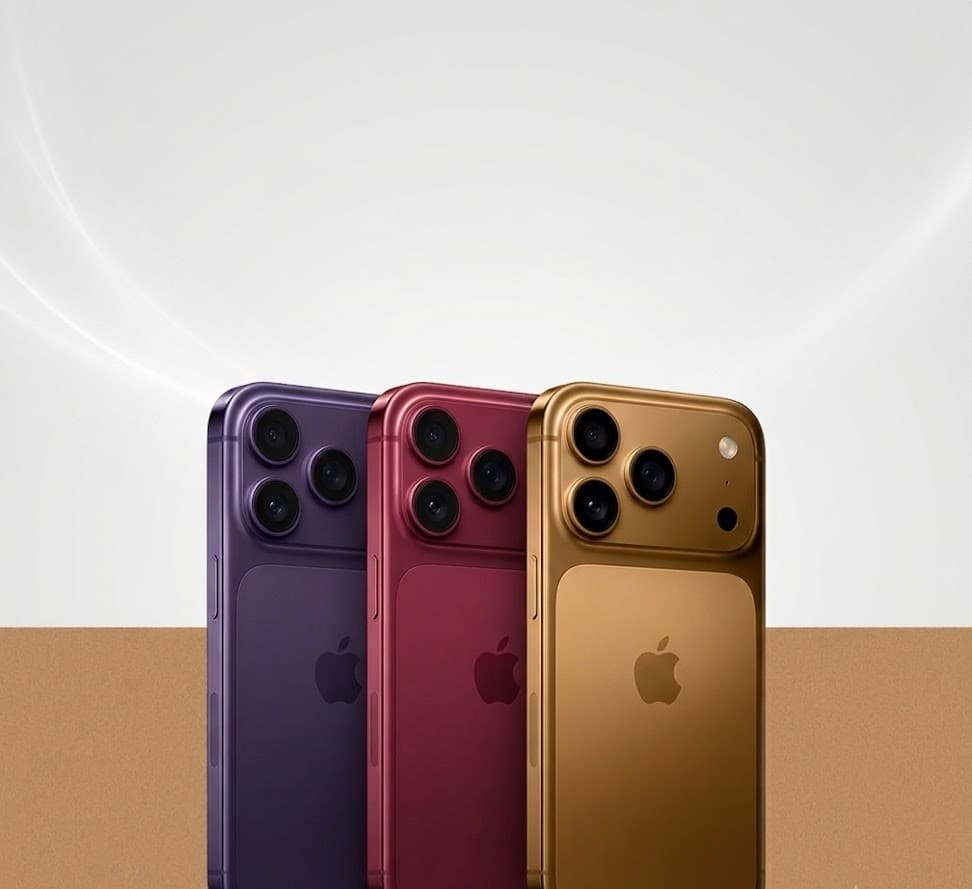
The iPhone 18 is expected to bring Apple's next-generation performance, improved efficiency, and updated hardware to the standard iPhone lineup. However, Apple has not officially announced the standard model yet. Current reports indicate that Apple may change its traditional iPhone launch schedule, with the Pro models arriving in fall 2026 and the regular model following in spring 2027. For buyers searching for the next Apple smartphone, the biggest questions are its release date, expected price, display, camera, processor, RAM, battery life and Apple Intelligence support. While several specifications are circulating through supply-chain reports and analysts, they should not be treated as final until Apple officially announces the device. This guide explains what is currently expected and separates stronger reports from less certain rumors so you can make a more informed buying decision. The biggest change expected for Apple's next-generation lineup is the launch schedule. Instead of releasing the standard and Pro models together, Apple is widely reported to be adopting a split launch strategy. The iPhone 18 Pro and iPhone 18 Pro Max are expected to debut in September 2026, while the standard model is expected to arrive in spring 2027. A report citing Apple's supply-chain developments also supports the possibility of the standard model arriving in early 2027. Important: Apple has not officially confirmed the standard iPhone 18 launch date. Apple has not announced the official price yet, so any current pricing figure should be considered an estimate. The final retail price could depend on several factors, including: Storage capacity Memory costs Processor manufacturing costs Display components Modem technology Regional taxes Currency exchange rates There have also been reports about Apple using cost-control measures for the standard model. However, these reports are based on leaks rather than an official Apple specification sheet. The standard model is likely to remain below the Pro lineup, while the iPhone 18 Pro and iPhone 18 Pro Max are expected to occupy Apple's premium tier. For shoppers, the best approach is to wait for official pricing rather than relying on early leaked prices. The standard iPhone 18 is expected to focus on processor efficiency, AI capabilities, and internal hardware improvements rather than a completely redesigned exterior. Current reports point toward an Apple A20-series chip, additional memory compared with the previous standard model, and potentially a newer-generation modem. These specifications are based on current reports and analyst information. Apple can change the hardware before the final product reaches consumers. One of the most anticipated upgrades is the next-generation A20 chip. Reports indicate that Apple could move from the 3nm process used by the current generation to a 2nm manufacturing process for the A20 family. A smaller process node can potentially improve performance and energy efficiency, although the actual results will depend on Apple's final chip design. Potential benefits include: Faster app loading Better gaming performance Improved power efficiency Faster photo processing Better on-device AI performance Improved multitasking More efficient background processing For everyday users, improved efficiency may be more meaningful than benchmark numbers. A more efficient processor can potentially deliver strong performance without consuming as much power. RAM has become increasingly important because Apple's newer AI features require substantial on-device processing resources. Earlier reports suggested that the standard model could receive 12GB of RAM. However, a later analyst report indicated that the lower-end spring 2027 models could use 9GB DRAM, showing that the rumors remain inconsistent. Therefore, it is better to describe the RAM configuration as unconfirmed. Additional memory can help with: Multitasking AI workloads Photo and video editing Gaming Keeping applications active Future software features Apple's iOS memory management differs from Android's, so RAM capacity should not be used alone to judge smartphone performance. The standard model is currently expected to retain a familiar design rather than receive a major external redesign. Reports suggest a display size of around 6.3 inches, similar to the current-generation standard model. Possible features include: OLED panel Around 6.3-inch screen High brightness Improved power efficiency Modern front-facing design Apple's Dynamic Island design However, reports have also suggested possible cost-cutting changes to the standard model's display. These claims are not sufficiently confirmed and conflict with other reports, so buyers should wait for official specifications. Camera performance is one of the most important factors for smartphone buyers. At present, there are fewer reliable reports about major camera upgrades for the standard model compared with the Pro models. This means it would be premature to expect the advanced camera features rumored for Apple's premium devices. The standard model could benefit from improvements in: Computational photography HDR processing Low-light photography Portrait processing Video stabilization Image processing AI-powered photo features The final rear camera configuration and sensor specifications remain unconfirmed. Apple has not revealed the battery capacity or charging specifications. Instead of focusing only on battery size, buyers should consider the combination of: Processor efficiency Display power consumption Software optimization Modem efficiency Battery capacity Charging technology If Apple moves to a more efficient 2nm processor, it could potentially improve battery endurance. However, actual battery-life results will only be known after independent testing. Apple is expected to continue developing its own modem technology. Reports have suggested that the standard model could use an Apple-designed C2 modem. A newer modem could improve cellular efficiency and connectivity, but final regional specifications remain unknown. Potential connectivity features include: 5G Wi-Fi Bluetooth Satellite-related features were supported eSIM support, depending on the region Modern cellular modem technology Network performance will ultimately depend on both the phone and the carrier's infrastructure. If you already own an iPhone 17, upgrading may not necessarily be essential. The expected differences are mainly related to internal hardware and next-generation processing. The biggest potential upgrade is the move toward Apple's A20 platform and newer internal architecture. Apple is also expected to introduce an iPhone 18e around the same period. Reports suggest the standard model and 18e could share more components than previous generations. Some supply-chain reports even claim that certain components may be interchangeable. The final differences will become clearer when Apple officially announces both devices. Expected next-generation A20 processor Potentially improved power efficiency Likely strong long-term software support Possible improvements for Apple Intelligence Modern OLED display expected Strong ecosystem integration Expected 5G connectivity Official specifications are not available yet The Standard Model may not launch until spring 2027 Some hardware rumors are contradictory A major exterior redesign is not currently expected Camera upgrades may be limited compared with Pro models Final pricing remains unknown Whether you should wait depends on your current smartphone. Your current phone is working well You want Apple's newest standard model You are interested in the A20 platform You want a phone designed for future Apple Intelligence features You can comfortably wait until 2027 You need a new phone immediately Your current phone is damaged or unreliable You find a good deal on the current generation You don't need the newest processor You prefer buying a proven device rather than waiting for an unreleased product For many users, the best decision is not necessarily to buy the newest model. A discounted previous-generation iPhone can sometimes provide better overall value. The next standard model could be a good fit for users who want: Reliable everyday performance A premium smartphone experience Long-term iOS support Strong camera processing Apple ecosystem integration Modern connectivity On-device AI capabilities However, users who prioritize professional photography, advanced zoom, premium display features, or maximum performance may want to compare the standard model with the Pro lineup before buying. Keeping confirmed and unconfirmed information separate is important when researching an unreleased smartphone. The conflicting RAM reports are a good example of why leaked specifications should not be presented as confirmed facts. The iPhone 18 could be an important upgrade for users who value Apple's latest processor, AI capabilities, and long-term software ecosystem. The rumored A20 chip and newer internal hardware are particularly interesting, while the familiar design suggests Apple may focus more heavily on performance and efficiency than visual changes. The biggest thing to remember is the unusual launch schedule. Current reports consistently point toward a spring 2027 release for the standard model, rather than the traditional September launch. Because Apple has not officially announced the final specifications or price, buyers should avoid making a purchase decision based solely on leaks. Once Apple reveals the device, compare its official specifications, price, battery performance, and camera capabilities with the current-generation models. If you're planning your next iPhone purchase, keep checking for official specifications and real-world reviews before making your final decision. The standard model is currently expected to launch in spring 2027, rather than September 2026. Apple has not officially announced the exact release date. Current reports suggest that the standard model will not launch in September 2026. The iPhone 18 Pro and Pro Max are expected to arrive in fall 2026, while the standard model is expected later. Reports indicate that Apple is expected to use an A20-series chip. A move to a 2nm manufacturing process has also been rumored, but Apple has not officially confirmed the final chip specifications. RAM remains uncertain. Earlier reports suggested 12GB, while a later analyst report indicated 9GB DRAM for the lower-end spring 2027 models. Current reports suggest a display of approximately 6.3 inches for the standard model. The final display specifications have not been officially announced. For any questions, order support, or product inquiries, feel free to contact us anytime. We are always ready to assist you with the best service. Visit our official website: https://dazzle.com.bd/ Our Shop Location: https://dazzle.com.bd/shop-location Our official Facebook page: https://www.facebook.com/dazzlebangladesh Call us: 09638001122 iPhone 18: Expected Price, Specs, Release Date & Features
iPhone 18 Release Date
Expected iPhone 18 Launch Timeline
Expected iPhone 18 Price
Expected Price Position
iPhone 18 Expected Specifications
Expected Specifications at a Glance
A20 Chip and Performance
What Could the A20 Chip Improve?
RAM and Apple Intelligence
Why RAM Matters
Display and Design
Expected Display Features
Camera Expectations
Possible Camera Improvements
Battery Life and Charging
Connectivity and Modem
Expected Connectivity
iPhone 18 vs iPhone 17
iPhone 18 vs iPhone 18e
Pros and Cons
Pros
Cons
Buying Guide: Should You Wait?
Wait for the iPhone 18 if:
Consider buying an Existing iPhone if:
Who Should Buy the Next Standard iPhone?
What We Know vs What Is Still Rumored
Frequently Asked Questions
1. When will the iPhone 18 be released?
2. Will the iPhone 18 launch in September 2026?
3. What processor will the iPhone 18 use?
4. How much RAM will the iPhone 18 have?
5. What display size will the iPhone 18 have?
Contact Us
Technology10 August 2026
iPhone 18 - Price, Specs & Release Date
iPhone 18 expected price, release date, A20 chip, camera, display, RAM, and features. Check the latest rumors and buying guide.